Breast Augmentation in Reading PA
Enhance your breasts’ shape and size with breast augmentation
Para ver la pagina en Español haga click aquí.
If you wish your breasts were larger, fuller, more shapely or more symmetrical, breast augmentation surgery may be the right choice for you. With the saline or silicone gel implants of your choice, you can achieve the beautiful proportions you have always wanted to help you find clothing that fits well and feel more confident in your breasts and body.
Breast augmentation is one of our most popular procedures at Berks Plastic Surgery, and women frequently travel from Philadelphia, Lancaster, and even New York to have their breast augmentation procedures with us. Learn why patients say we’re worth the drive!
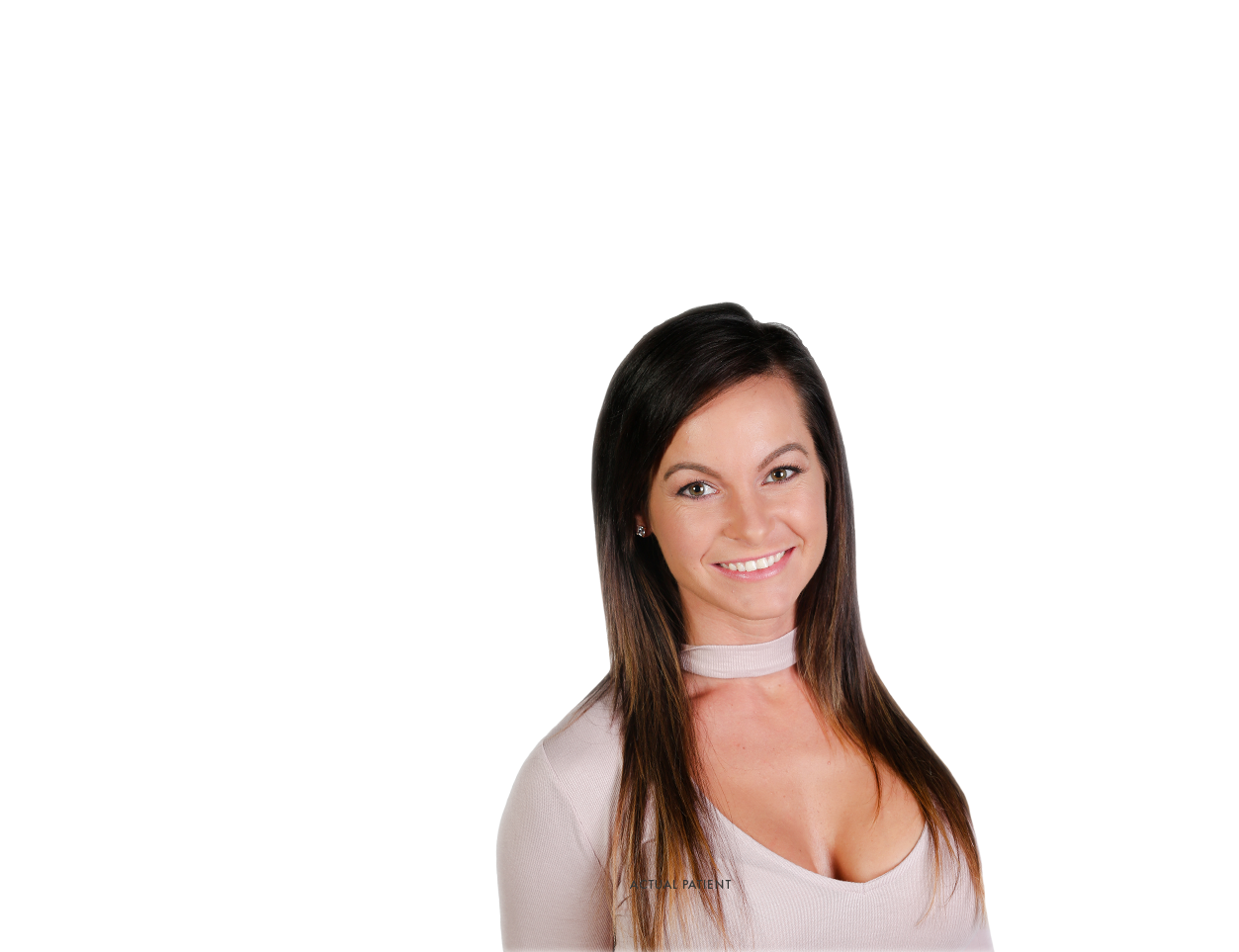
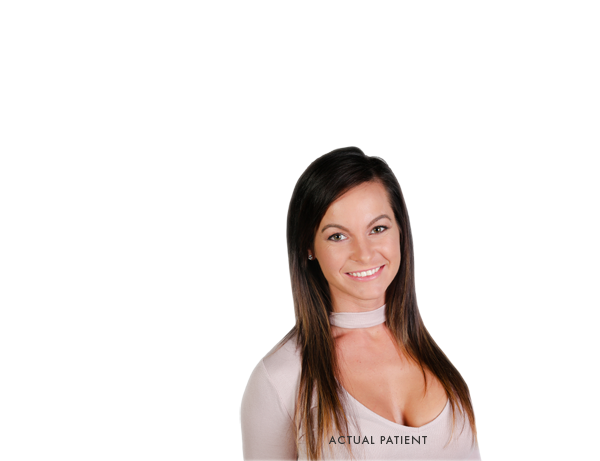
“My results are exactly what I was hoping for! I had breast augmentation in April 2017, and I am so happy that I decided on Dr. Reedy…the size and shape are perfect. My only regret is that I didn’t have this surgery years ago…it is really worth it! I am happier about myself every day. Don’t wait like I did, call Dr. Reedy and make an appointment!”*
Read more patient testimonials
Why consider breast augmentation?
Some women, in Berks County and across the country, choose breast augmentation because they are unhappy that their breasts never developed as they had hoped. Other women want the breast augmentation procedure to restore their breasts’ volume, which may have decreased as a result of pregnancy, weight loss or aging.
Any of these feelings or conditions may indicate breast augmentation may be right for you:
- You are bothered by the feeling that your breasts are too small
- Weight loss has changed the size and shape of your breasts
- After having children, your breasts have become smaller and have lost their firmness
- Dresses that fit well around your hips are often too large at the bust line
- You wish your breasts would balance your body proportions a bit better
- You would like your breasts to fill out your bra and clothing more
- One of your breasts is noticeably smaller than the other
- You feel self-conscious about your breasts when wearing a swimsuit or form-fitting top
Am I a candidate for breast augmentation?
Dr. Reedy and our team take great care to evaluate each breast augmentation patient individually. They will advise you of your own unique risk profile, and enable you to compare it with that of breast augmentation candidates in general, before determining whether you’re a good candidate for the procedure. Before you decide to go ahead with your breast augmentation, and before your surgeon can agree that you should, however, you need to understand what is involved in the procedure, what you can expect during post-surgery recovery, and the risks that come with this or any similar elective cosmetic surgery.
“I spent a lot of time researching who I wanted to complete my breast augmentation. I ended up deciding to travel 6 hours from home for Dr Reedy. He and his staff were amazing through the whole process…My surgery and recovery went so smoothly. I couldn’t have asked for a better experience!”*
How much does breast augmentation in Reading cost?
Reading breast augmentation starts at $8,250. If you decide to add other procedures to your surgery plan, often referred to as a mommy makeover, we will provide an updated price quote during your consultation.
Your breast augmentation consultation
Many women have various reasons for considering breast augmentation, we are here to help. Our board certified plastic surgeons will listen carefully to what you want your breasts to look like, and help you choose the breast implant size that will fit your breasts, body, your personality, and your lifestyle.
Your desires are taken into account more than anything else. During your personal breast augmentation consultation, our plastic surgeons will:
- Take into consideration the size of your breasts’ natural dimensions. Choosing an implant that fits the natural contours of your body will ensure that your breasts appear natural and appropriately sized post-operatively.
- Encourage you to not focus entirely on the cup size you will be in after surgery. Bras from different companies come in all shapes and sizes. Instead of hoping to achieve a “full C”, we focus on breasts that look most natural on your body.
- Give you the opportunity to try on implants. Instead of imagining what your breasts will look like after surgery, you actually have the opportunity to see it. We also encourage you to bring a significant other for a second opinion.
- Allow you to review several before and after pictures of other patients that are similar to your size and shape.
- Fully educate you about the different types of implants available today.
- Answer any questions you have about the surgery, including incisions, placement, and other services we can provide.
No matter what you choose, remember that it is your body, and you have to be happy with the results. Our team of patient care coordinators and plastic surgeons will be glad to assist you at your consultation, guide you through the entire process, and make your goals a reality.
“I couldn’t be happier with my breast implants. This is the first time that I’m looking forward to bathing suit season!”*
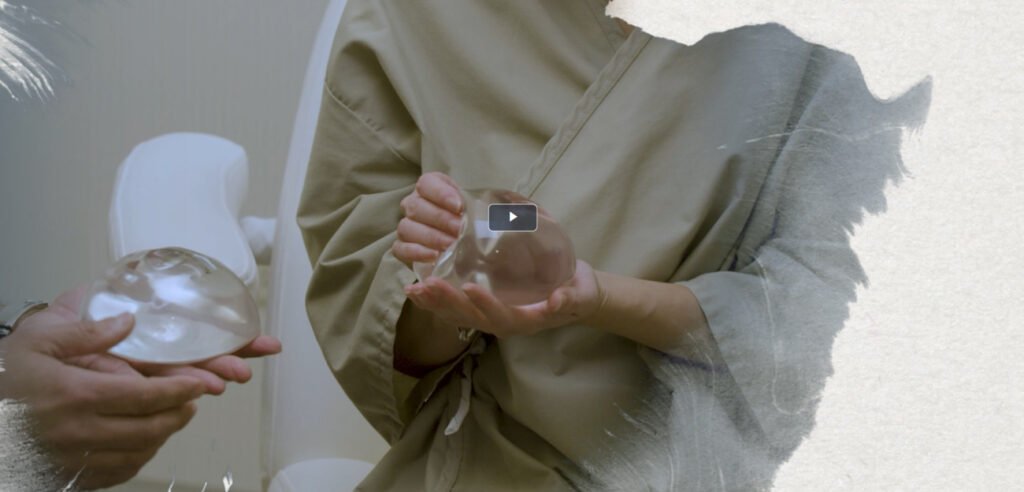
We know that deciding to change part of your appearance is a big decision, and many of our patients who come in for a consultation have questions about breast surgery, implant options, incision placement, and even financing their procedure. That’s why we’re proud to share this new video series that aims to educate patients on the process of breast augmentation. Watch the videos here »
Choosing your breast implants
Apart from choosing your plastic surgeon, one of the most important steps in the breast augmentation process is learning about breast implants and deciding which implant type is right for you. A breast implant is a silicone elastomer envelope filled with a saltwater solution (saline) or silicone, which is placed under the breast tissue. The two most common types used today are saline and silicone implants.
Saline implants
Saline breast implants may be best for you if:
- You have a good amount of natural breast tissue. Saline breast implants are more likely to show rippling. The more natural tissue you have to cover the implant, the less likely rippling will be an issue.
- You are under 22 years old. Saline breast implants are FDA approved for patients 18 and up; silicone implants are FDA approved for patients 22 and up. It is legal to get silicone breast implants if you are under 22, but breast implant manufacturers often will not honor a warranty for silicone implants if you have them placed before you are 22.
- You’d prefer not to get regular MRIs. While the FDA recommends that women with silicone implants get routine MRI scans every 2 to 3 years to monitor for possible ruptures, saline breast implants do not have this recommendation.
- You’d like the least expensive implant option. On average, saline breast implants cost a few hundred dollars less than silicone. Surgery costs using saline breast implants start at $8250 while costs using silicone breast implants start at $8865.
Silicone implants
Silicone implants may be best for you if:
- You prefer a completely natural looking result. While a skilled plastic surgeon can achieve a fairly natural appearance with saline implants, the consistency of silicone gel implants help them achieve an even more natural look inside the breast.
- You also want a natural feeling breast. The latest generation of silicone gel breast implants closely mimics the feel of a real breast, while saline implants can be quite firm, especially if overfilled to avoid rippling. Silicone implants also weigh less than saline implants of the same size.
- You have minimal breast tissue. Because silicone breast implants have a much more viscous filling than saline (which is just saltwater), rippling and wrinkling is much less of an issue with silicone, so even patients with very little breast tissue can result in a natural outcome.
- You are interested in shaped implants. While shaped saline breast implants do exist, silicone breast implants offer many more options for size, profile and shape.
While our plastic surgeons are experienced with and offer both breast implant options, most breast augmentation patients prefer the softer, more natural appearance and the feel of silicone breast implants. The vast majority of these patients are very happy with their result, and feel silicone is well worth the moderately higher upfront cost.
Now offering new Motiva® breast implants!
Berks Plastic Surgery is one the first practices to offer the latest advancement in breast implant technology: Motiva® silicone breast implants. Motiva implants are FDA-approved and offer a more natural look and feel, as well as better safety monitoring. Learn more »
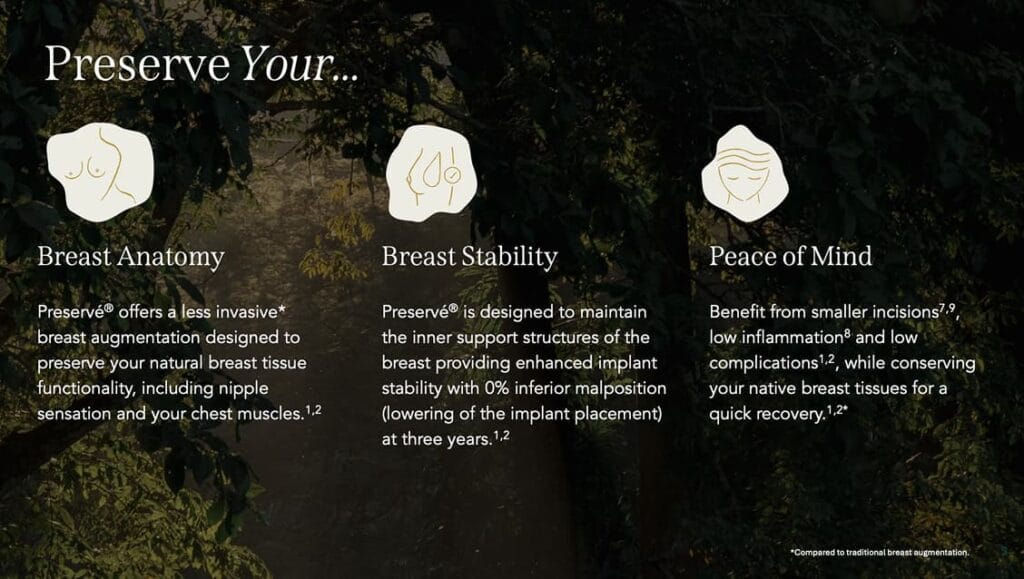
Preservé by Motiva: A Less Invasive Approach to Breast Augmentation
Dr. Brian Reedy was selected as one of fewer than 100 plastic surgeons in the entire country to be trained in a brand-new breast augmentation technique: Preservé by Motiva. Dr. Reedy is the only Preservé-trained surgeon in Central Pennsylvania.
Preservé uses specialized instruments to gently create space for the implant so that your natural tissue, sensation, and support structures stay intact. This also means that most patients recover from surgery within days, rather than weeks.
Why everyone’s talking about it:
- Smaller incision (~3cm)
- No muscle disruption
- Little to no social downtime
- Can be performed without general anesthesia for select candidates
- Results that look and feel natural with the groundbreaking Motiva implant
Dr. Reedy has been offering Rapid Recovery Breast Augmentation for years, and he is thrilled to now offer this cutting-edge technology that helps to further minimize recovery time and make breast augmentation a highly customized, safe, and positive experience.
The Best Candidates for Preservé
This technique is ideal for women seeking subtle, natural enhancement—typically a one to two cup size increase—who want to preserve their natural breast tissue and function. It’s particularly well-suited for first-time augmentation patients who value a less invasive approach with minimal downtime.
Dr. Reedy will begin offering Preservé in early March 2026. To find out if Preservé is right for you, contact us online today or call 610-320-0200 to schedule a consultation.
“I’ve been wanting breast augmentation for years. My friend referred me to Dr. Reedy saying he is by far the best surgeon around our area. I agree 100%! He knew exactly which style implant would look good on my body. I fully trust him with any future surgeries and recommend him highly to anyone! I am extremely happy with my results and feel so much happier with my body.”*
Read more patient testimonials
What to Expect During Your Breast Augmentation Surgery
All breast augmentation surgeries are performed by our board-certified plastic surgeons in our fully equipped, state-of-the-art surgery center. Our facility offers absolute safety and privacy, and is accredited by the American Association for Accreditation of Ambulatory Surgery Facilities, Inc and the state of Pennsylvania. For your safety and comfort, our surgeons work with a qualified anesthesia provider.
Once you are under anesthesia, your plastic surgeon will make an incision to create a pocket for the implant. They will then expertly place and position the implant before closing the skin where the incision was made.
When your procedure is complete and you have recovered fully from anesthesia, you are taken into the care of a friend or family member discreetly, through a rear exit from our facility. You will then go home in a compression bra that helps reduce swelling and hold the breasts in the correct position while they heal.
Affordable, accurate silicone breast implant screening for your health & peace of mind at Berks Plastic Surgery
We are proud to offer the PS Imaging HRUS (high-resolutions ultrasound) to our silicone breast augmentation patients here in Reading, PA. Your screening will only take around 20 minutes in the privacy of one of our treatment rooms. We will screen for silent rupture in addition to other potential complications, such as swelling or seroma. Ultimately, ultrasound imaging is the quickest and easiest way to know that your implants are still in good shape.
Recovery After Breast Augmentation
You will experience some pain, bruising and swelling after breast augmentation surgery, which should improve during the several days after your procedure. Slight bleeding typically occurs at first, along with scarring that will fade with time. You must avoid heavy exercise for several weeks, but otherwise you can return to work in 5 to 7 days. Wondering if your symptoms post-op are normal? Read our blog about what is and isn’t normal after breast augmentation.
To promote a more rapid recovery, here at Berks Plastic Surgery our plastic surgeons use advanced breast surgery techniques to reduce the trauma to your body, multimodal pain management to reduce the need for narcotic pain medication, and nutritional supplements to minimize bruising and swelling. For many patients, these steps allow them to return to work within several days of their breast augmentation procedure. Learn more about rapid recovery breast augmentation here.
“Breast augmentation has replenished my self-esteem and given me a complete figure.”*
Read more patient testimonials
Risks and Complications of Breast Augmentation with Implants
There are risks and possible complications associated with any cosmetic surgery. With implants, there is an extremely low risk of rupture or leakage. Implants carry a ten-year manufacturer’s warranty that covers direct payment for some surgical costs, and a free new implant. Capsular contracture is another risk. A layer of tissue normally forms around the implant. This tissue capsule can contract and put pressure on the implant, causing the breast to feel hard. We take every measure possible during surgery to reduce the risk and there are post-surgery techniques that help ensure that contracture will not happen.
Other possible breast augmentation with implant complications include rippling and wrinkling. The patient may feel the edge of the breast implant, especially if the skin is thin and a relatively large implant is placed above the muscle. Loss of sensation of the nipple or breast tissue, calcium deposits, breast-implant position shift, and blood-clot formation are possible. General complications from surgery can include bleeding, infection, and stiffness of the surrounding tissue, even months after surgery, but incidences are rare.
Visit breastimplantsafety.org the most informative internet resource on breast implant surgery.
Breast Augmentation Financing: Get the look you desire for as low as $199/mo
At Berks Plastic Surgery, we value patient comfort and satisfaction. We proudly partner with PatientFi to offer patient financing options to help you achieve your aesthetic goals in a way that suits your budget. PatientFi is the leading aesthetic lending company and offers higher approval rates, VIP personalized service, and a simple application process.

- Get your rates with an instant approval process
- No impact to your credit score
- Personalized payment plans that suit your budget
Contact us today to learn more about our patient financing options so that the cost of surgery doesn’t stand in the way of your beauty and confidence. Or if you’re ready, complete the quick application using the link below to receive your personalized rates!
“I don’t even know where to start, berks has exceeded my expectations. Dr. Reedy and his team are so kind, knowledgeable and reassuring. My consult and pre op appointment were very thorough and Steph was awesome to work with when it came to picking out sizes and profiles. I’m 9 days post op from my breast aug and they already look amazing. My healing has been smooth and easy thanks to Dr. Reedy’s recovery plan. The day of surgery, his team was very professional and confident, the anesthesiologist was very experienced and talks you through the whole process. I absolutely recommend Berks if you are considering getting a breast augmentation!”
—5-star Google review
Learn how our breast augmentation options can give you the look you want
If you live near Allentown, Pottsville, Reading or Lancaster, breast augmentation specialists at Berks Plastic Surgery can help you get the results you are looking for! Our board certified plastic surgeons have been performing breast augmentation with saline and silicone breast implants in Reading since 1992, with thousands of happy patients who love their look. If you are looking to explore all of your breast enhancement options, a consultation with one of our breast augmentation plastic surgeons is a great place to start.
To schedule an appointment or to learn more about breast augmentation, please contact us today.
- Do you need a breast lift too? Learn more about breast lift with augmentation »