Motiva Preservé vs. Traditional Breast Augmentation: Which Technique Is Right for You?

Recovery time decides more first-consultation conversations than almost anything else in breast augmentation. Weighing Preservé against traditional breast augmentation comes down to a real trade-off: how much time you can give surgery, and how much of your own tissue you want left in place. Dr. Brian K. Reedy offers both approaches at Berks Plastic Surgery, and for Reading, PA breast augmentation patients, there isn’t one universal right answer, just the one that’s right for your body and your goals.
What traditional breast augmentation involves
Traditional breast augmentation places the implant through an incision in the inframammary fold, the crease beneath the breast. Depending on your anatomy, Dr. Reedy places the implant under the fascia that covers the chest muscle (subfascial) or under the muscle itself (subpectoral). You’ll be under general anesthesia, but recovery is still quick. Dr. Reedy was one of the surgeons who pioneered rapid recovery breast augmentation in the US, and most of his traditional augmentation patients are back at work in about three to four days. Only about one in 10 needs narcotic pain medication.
Dr. Reedy has built his practice on this approach for decades, and it’s still the right call for plenty of patients. It’s usually the better choice if you want more volume, if your anatomy needs a more tailored plan, or if you’re pairing augmentation with a breast lift or mommy makeover where general anesthesia is already part of the plan.
Preservé with Dr. Reedy at Berks Plastic Surgery
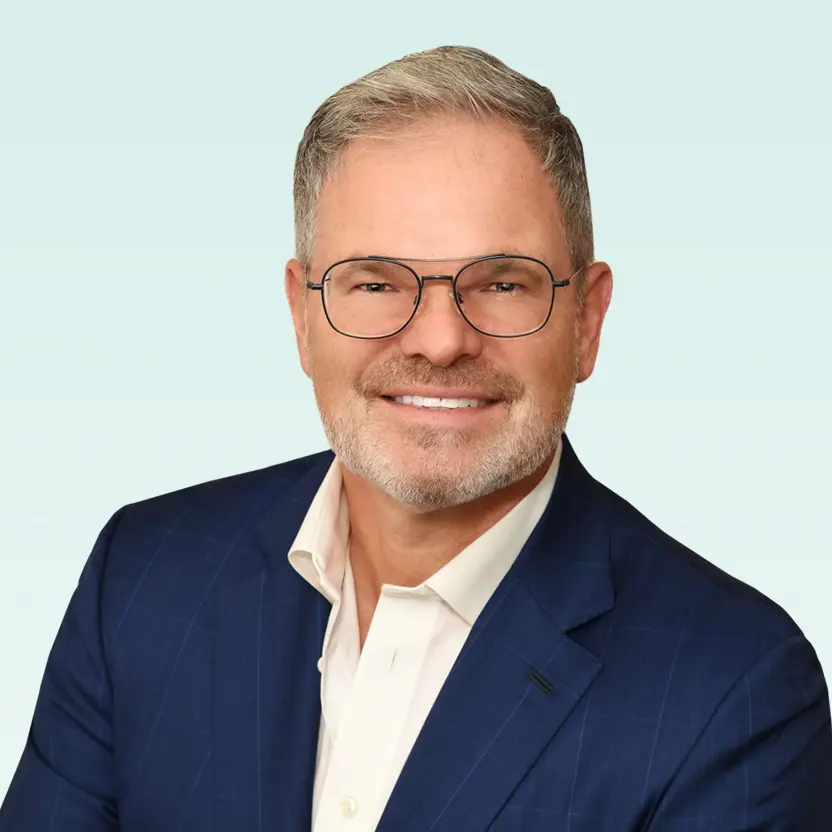
Dr. Reedy was one of the first surgeons trained in Preservé, and he’s currently the only Preservé-trained surgeon in Central Pennsylvania. He’s since performed dozens of Preservé procedures for happy patients. Newsweek named him one of America’s Best Plastic Surgeons in 2026.
How the Preservé technique works
Through an incision of about 3 centimeters, Dr. Reedy uses specialized instruments to make room for the implant, working around your tissue instead of cutting through it. Your chest muscle and the breast’s natural support structures stay where they are. That’s why Preservé can be done under local anesthesia, with or without light IV sedation. You skip general anesthesia, spend less time in the OR, and avoid the grogginess that usually follows going under.
Preservé is built for a specific patient: a woman who wants a petite to moderate implant and wants to keep as much of her own tissue as possible.
Recovery after Preservé breast augmentation
Most Preservé patients are back at work in 1 to 2 days, and some feel well enough to go out to dinner the night after surgery. That’s even faster than the 3 to 4-day return Dr. Reedy’s traditional patients already see. In his experience, most Preservé patients also get through recovery without narcotic pain medication. Everyone heals differently, so Dr. Reedy will give you a timeline based on your anatomy and your procedure.
The safety data behind Preservé and Motiva implants
Preservé is new enough that most of the outcome data still comes from the manufacturer rather than independent studies of the technique itself. Establishment Labs, the company behind Motiva, reports a 0% rate of inferior implant malposition at three years in its own clinical data on Preservé.¹ That’s a promising number, but it’s manufacturer-reported and specific to the technique, not an independent peer-reviewed finding.
The implant itself has stronger research backing. Motiva’s SmoothSilk Ergonomix implants went through a 10-year pivotal study submitted to the FDA, and three-year results published in the Aesthetic Surgery Journal in 2024 found a 6.1% reoperation rate among primary augmentation patients. The study’s authors noted that reoperation causes had shifted toward patient-choice factors like size change rather than device complications, while also flagging a need for continued surgeon education to optimize outcomes.² The FDA approved³ the implants in September 2024, and Dr. Reedy was among the first surgeons in Pennsylvania to offer them.

Motiva Preservé vs. Traditional breast augmentation, side by side
| Preservé | Traditional augmentation | |
| Incision size | About 3 cm | Longer inframammary incision |
| Muscle impact | Chest muscle and support structures stay intact | Placed under the fascia or under the chest muscle |
| Anesthesia | Local, with or without light IV sedation | General anesthesia |
| Return to work | 1 to 2 days for most patients | About 3 days |
| Pain medication | Usually no narcotics needed | About 1 in 10 patients need narcotics |
| Implant size | Petite to moderate | Wider range, including more volume |
| Motiva implant used | SmoothSilk Ergonomix only | SmoothSilk Round or Ergonomix |
| Availability | Dr. Reedy is one of the first surgeons nationwide trained in Preservé and the only one in Central Pennsylvania | Offered by board-certified surgeons more broadly |
Who tends to do better with each approach
If you’re after a subtle, natural-looking change and want to keep as much of your own tissue and sensation intact as possible, Preservé is probably the better fit, especially if this is your first augmentation and you’d like to be back at work in a day or two. Preservé tends to be the right call if you:
- Are having a breast augmentation for the first time
- Want to keep as much of your own tissue, muscle, and nipple sensation intact as possible
- Want a petite to moderate implant and a natural-looking change
- Want the quickest return to work we offer, often 1 to 2 days
Traditional augmentation is usually the better fit if you want more volume, your anatomy needs a more tailored approach, you’re having revision surgery, or you’re combining augmentation with a lift or body contouring procedure that already requires general anesthesia.
Motiva implants, with or without Preservé
Preservé isn’t the only way to get a Motiva implant at Berks Plastic Surgery, and it’s worth separating the technique from the technology. If you’re not a candidate for Preservé, whether because you want a bigger size change, you’re having revision surgery, or you’re pairing augmentation with another procedure, you can still get Motiva SmoothSilk breast implants through traditional augmentation. Dr. Reedy offers both the SmoothSilk Round and SmoothSilk Ergonomix styles that way.
Preservé itself is built specifically for the SmoothSilk Ergonomix implant. The technique’s tissue-preserving pocket is designed to work with the Ergonomix gel’s viscoelastic, shape-adapting behavior, so Preservé patients get the Ergonomix style, not Round. Either way, the SmoothSilk surface and BluSeal barrier layer are built to reduce complications and support long-term monitoring.
Making the decision with Dr. Reedy
Cost, tissue quality, and the size change you’re after all factor into which technique fits. Breast augmentation at Berks Plastic Surgery starts at $8,250, and you’ll walk out of your consultation with a personalized quote once Dr. Reedy has evaluated which approach, and which implant, matches your anatomy and goals.
Frequently Asked Questions
If you’re weighing Preservé against traditional breast augmentation, the clearest answer comes from an in-person evaluation. Schedule a consultation with Dr. Brian K. Reedy at Berks Plastic Surgery by calling 610-320-0200.
Individual results vary. Recovery timelines are based on Dr. Reedy’s clinical experience and may differ by patient.
References »
- Establishment Labs®, CLINR-001035 (manufacturer clinical data on Preservé technique, data on file) — cited via https://motivausa.com/patient/preserve
- Glicksman C, Wolfe A, McGuire P. “The Study of the Safety and Effectiveness of Motiva SmoothSilk Silicone Gel-Filled Breast Implants in Patients Undergoing Primary and Revisional Breast Augmentation: Three-Year Clinical Data.” Aesthetic Surgery Journal, 2024. DOI: 10.1093/asj/sjae134. Full text: https://academic.oup.com/asj/article/44/12/1273/7781437
- FDA approval of Motiva SmoothSilk implants, September 27, 2024: https://www.fda.gov/news-events/press-announcements/fda-roundup-september-27-2024